
New Forklift Delivery: An Acceptance Checklist
15 Oct 2026
Receiving a new forklift is a one-time event with long-term consequences, and a disciplined delivery inspection comes down to three stages in order: the documents, the machine against your order, and the machine in operation. Work through all three before final acceptance, because signing off transfers both risk and responsibility to you. This checklist covers what to verify and how to record problems.
A delivery inspection is not the same as a daily pre-shift check, and not the periodic compliance inspection either. A pre-shift or scheduled inspection examines a machine already in service, on a repeating rhythm; an acceptance inspection is a one-time check at handover. The distinction matters for cross-border purchases, where the truck has travelled for weeks and the claim window for transit damage is short.
Prepare the receiving area and the paperwork before the truck reaches your site. You need level, clear space for unloading equipment, plus staff and lifting gear to move the machine into position. Have the purchase order, packing list, and specification sheet on hand, with a camera, tyre pressure gauge, and tape measure; confirm which documents and accessories were promised.
Step one is the appearance and transport damage check, carried out before the machine is moved into service. Photograph the crate and machine before unloading, then inspect for dents, deep scratches, bent mast sections, cracked lights, and damaged paint on the frame and overhead guard. Look underneath for fresh hydraulic or oil traces, and record every finding with photographs and a written note, since transit damage claims are generally expected within a short period.

Step two compares the machine against your order, starting at the data plate. Check the model, rated capacity, the load centre, lift height, mast type, tyre type, power specification, and any attachments on the order confirmation. Load centre deserves attention because capacity is rated at a specific distance from the fork face: a machine rated 2,000 kg at 500 mm is not equivalent to one rated at 600 mm. A published specification table, such as the 1.6 ton electric forklift CPD16 page, shows the kind of figures to compare, and dimensions and turning radius should be measured against the working space.
Step three checks the documents that travel with the machine. A complete delivery normally includes operator and maintenance manuals, a parts catalogue, the compliance documentation the supplier provides for your market, and the warranty terms, which you should request as a defined set rather than a favour. Confirm that the serial number and model on the documents match the data plate, because a mismatch creates problems at the first service visit or claim. Where manuals are in another language, ask for a translated copy and keep everything in one file.

Step four is the function test, done under power before the truck enters daily use. With no load, test travel in both directions, steering, service and parking brakes, horn, lights, and alarms; then lift, lower, and tilt with a representative load, watching for jerky motion, drift, or unusual noise. Verify that safety features behave as described, including operator presence sensing and the seat belt interlock where fitted, check again for leaks once the machine is warm, and on electric trucks confirm the charger works correctly.

Step five is warranty registration and setting up the after-sales contact before problems arise. Confirm the registration process, who to contact for parts and support, the lead time for spares, and how a claim is acknowledged; our buyer’s guide to forklift spare parts and after-sales explains why these answers belong in writing at delivery. Warranty period and coverage are governed by the contract and the documents supplied with the machine, so read those terms rather than relying on verbal assurance.
Problems found at delivery fall into three groups, and each has a different response. Cosmetic issues can usually be logged for correction while acceptance proceeds, whereas function faults such as brake or hydraulic problems should pause acceptance until fixed or a written remedy is agreed. Wrong or missing items, such as an incorrect mast or attachment, should be raised immediately with photographs and the packing list.
The first week after acceptance sets the pattern for the machine’s working life. Brief the operators on this specific truck, covering the controls, the rated capacity at the working load centre, and the daily checks expected before each shift. Set the service schedule from day one, since our daily, weekly and monthly forklift maintenance checklist shows how the first intervals are counted from handover, and keep delivery photographs and the signed acceptance record together. Send HUAYA your model, order reference, and arrival photos, and request an acceptance record template to work through on the day your truck lands.

Hot Products
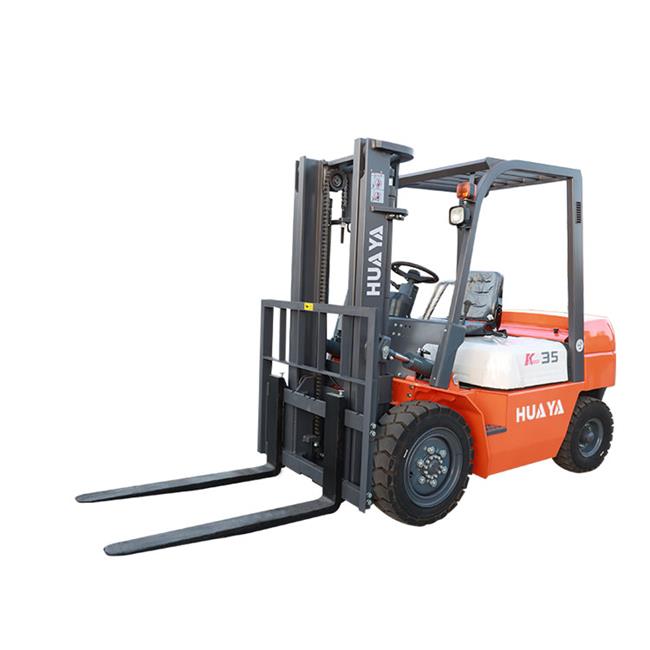
Forklift Lease vs Buy: Which Fits Your Operation?
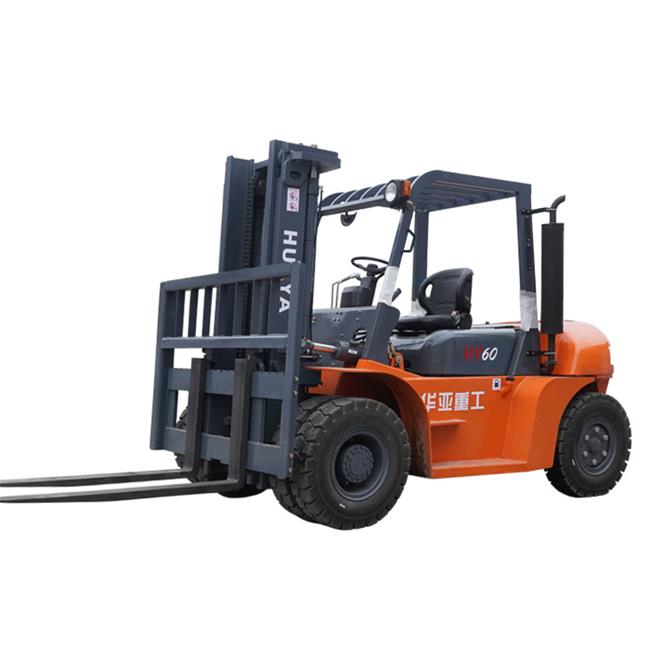
Forklift Spare Parts and After-Sales: A Buyer’s Guide
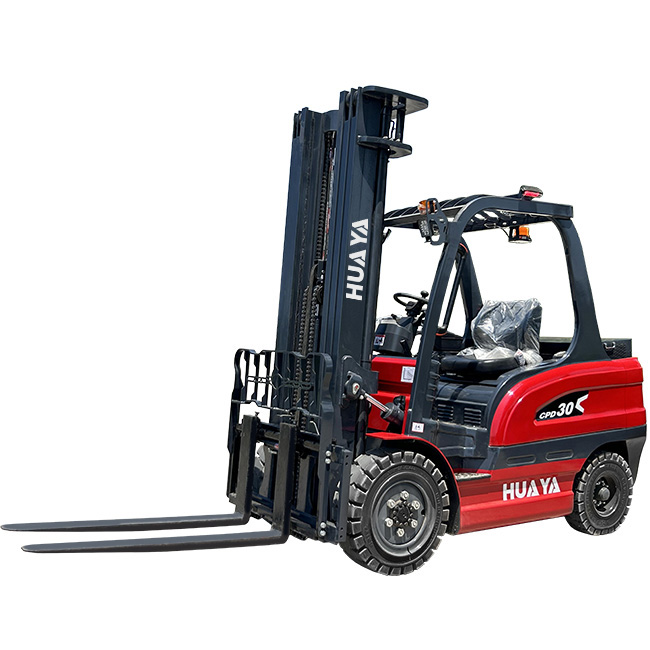
Forklifts for Container Loading: A Complete Guide
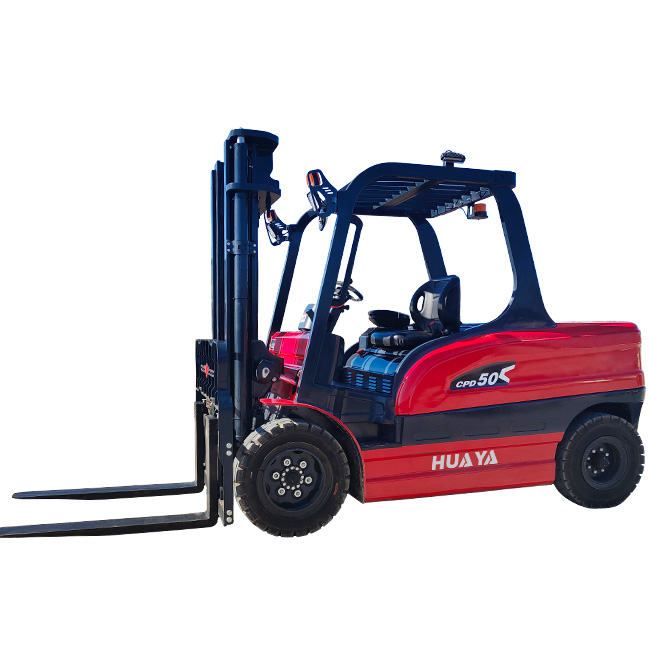
Forklift Charging Infrastructure: A Planning Guide


