
Forklifts for Container Loading: A Complete Guide
21 Sep 2026
Container loading and unloading comes down to three decisions in order: understand the container and site constraints, choose the truck capacity and power type, then specify the mast and attachments. A forklift that fits a warehouse aisle often cannot enter a container, and one that enters may be unable to stack because its mast needs clearance above the load.
Containers impose constraints that standard warehouse trucks are not designed for. Internal height varies by type, commonly 2.28 to 2.69 metres, while the door opening is lower and limits both the truck and the load height passing through. Floors are engineered for distributed cargo weight, not concentrated wheel loads, so axle load and tire pressure matter, and ventilation inside is limited, which shapes the power choice. These are typical reference values; confirm against the specific container.
Step one is defining the job: stuffing, stripping, or stacking in the container. Stuffing means loading an empty container from a dock or ramp, and rewards a compact truck with good visibility. Stripping means removing cargo from a container that arrived full, where the load may have shifted and reach matters more. Stacking inside the container, such as double-stacking pallets, demands the greatest mast capability and is where most mistakes appear.

Step two is capacity and power, and the container decides much of the answer. An electric truck suits work inside a container because it produces no exhaust fumes; compact models in the 1.5 to 3.5 ton class are sized for container doorways. Fully loaded containers handled outdoors often need a larger diesel machine for reach and lifting power, as the case in our article on a HUAYA forklift delivered to Kazakhstan shows. Confirm rated capacity at the load centre you will use.
Step three is the mast, and full free lift is the specification most first-time container buyers discover too late. A standard two-stage mast raises the carriage only as the mast extends, so the forks cannot lift a load until there is clear height above it, which a container lacks. A full free lift mast raises the carriage independently, letting the truck stack through a low door opening; the differences are set out in our forklift mast guide.

Attachments turn a general truck into a container tool, and the choice follows the cargo. A side shifter is almost always worth fitting because it avoids repositioning the whole truck when aligning pallets in a narrow container. Push-pull attachments handle slip-sheet loads without pallets, while clamps suit rolls, bales, and drums that cannot be palletised. Every attachment reduces rated capacity, so the derating calculation must be done before the order; the rules are in our forklift attachments guide.
Ramps and docks are part of the equipment decision, not an afterthought. A fixed loading dock is the fastest and safest arrangement where the site allows it, because the truck works on level ground. Where containers must be loaded at grade, a certified container ramp lets the truck reach the container floor, but slope, grip, and ramp capacity must be checked. For lighter loads without a counterbalance truck, our article on whether a pallet stacker can unload a truck explains that option.
Safety inside a container follows from the constraints: ventilation, lighting, load distribution, and traction. Never run a combustion truck inside a sealed container; battery-electric power removes the exhaust risk entirely. Lighting is usually poor inside a closed box, so portable lighting and a no-lone-working rule belong in the procedure. Loads must be distributed so no wheel exceeds floor capacity, off-centre loads must be derated, and speed limits belong in the work instructions because ramps can be slippery when wet.
Efficiency and cost come down to cycle time and utilization. Matching the truck to the job keeps each move short: the right mast removes double handling, the right attachment removes pallet repositioning, and the right power removes refuelling delays. A truck too large cannot enter the container, and one too small cannot complete the heaviest lift, so either mistake means extra labour or a second machine. Comparing equipment on cost per container moved, not purchase price, shows which configuration is cheapest.

Before requesting a quotation, prepare three details: container type, cargo weight and dimensions, and daily container moves. With those facts, a supplier can recommend the capacity class, mast height and free lift, and attachments needed. Tell HUAYA your container type, cargo, and volume, and request a container handling configuration with a truck, mast, and attachment package for your operation.


Hot Products
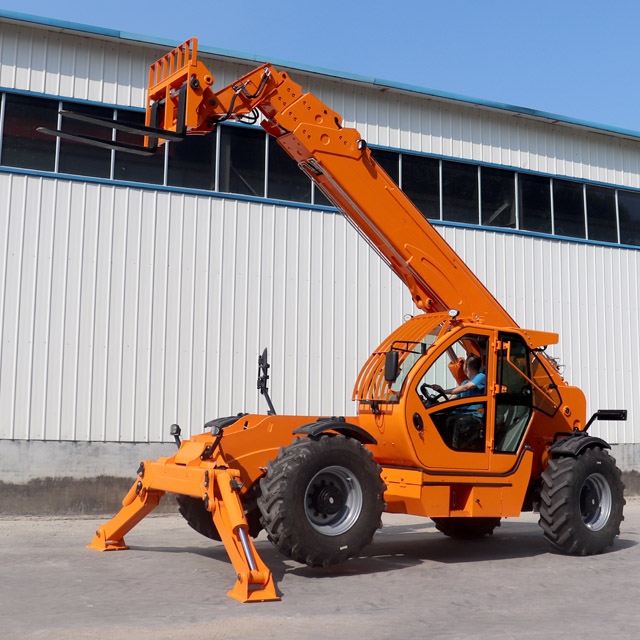
Forklift Mast Guide: 2-Stage vs 3-Stage vs Full Free Lift
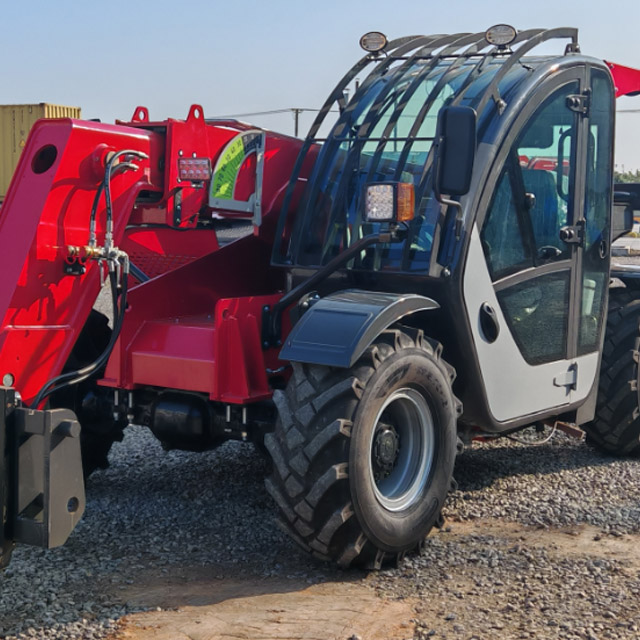
Rough Terrain Forklifts: When Does Your Site Need One?
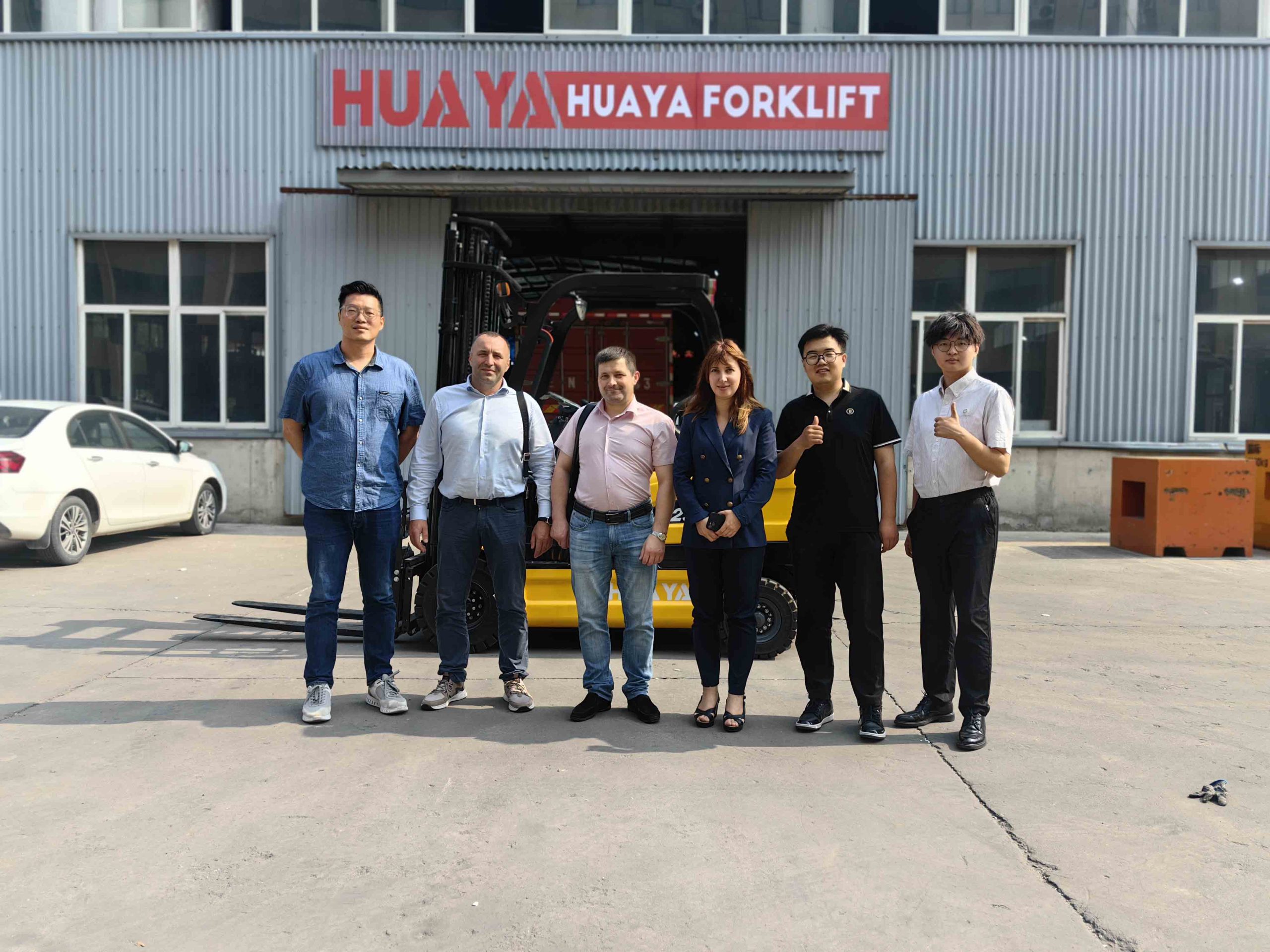
Cold Storage Forklifts: A Complete Selection Guide
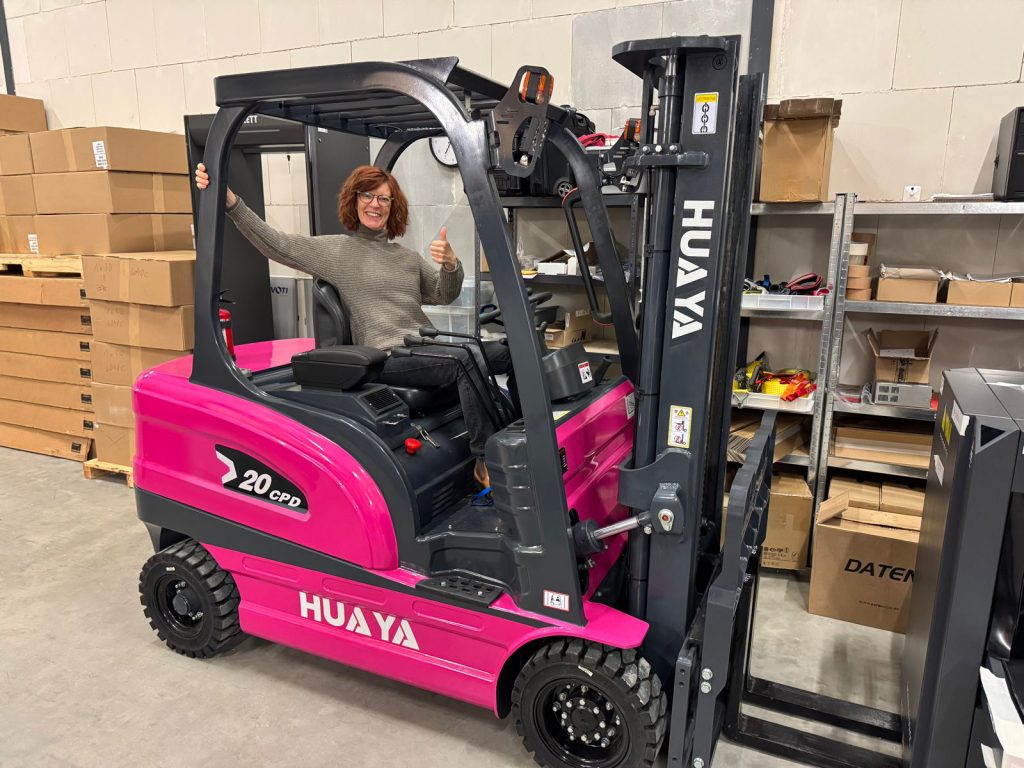
New vs Used Forklifts: A Smart Buying Decision Guide


