
Forklift Tires Guide: Cushion vs Pneumatic vs Solid
21 Sep 2026
Choosing the wrong forklift tire is one of the most expensive specification mistakes a fleet can make. Cushion tires are solid rubber press-ons built for smooth indoor floors; pneumatic tires are air-filled and designed for outdoor surfaces and shock absorption; and solid pneumatic tires share the pneumatic profile but are filled with a resilient compound so they cannot be punctured. The selection principle: match the tire to the surface and to indoor or outdoor work, then confirm load and duty cycle.
Tires set traction, turning radius, and stability, and they are the fastest-wearing component on most forklifts. The initial choice therefore drives both daily safety and recurring cost for years.
Cushion tires are solid rubber press-ons and the default for indoor work on smooth, level concrete. Their low profile gives a small turning radius, high stability, and strong capacity in tight aisles, which is why counterbalance trucks in racking run them. The trade-off is negligible shock absorption: on cracked pavement they lose grip where a pneumatic would hold.

Pneumatic tires are air-filled and standard for outdoor work, where the cushion of air absorbs bumps and keeps drive wheels in contact with uneven ground. They handle asphalt yards, gravel, and mixed routes, and reduce vibration for the operator. The cost is maintenance: pneumatics need correct inflation pressure, and a slow leak or cut sidewall can leave a truck unsafe before anyone notices. Build pressure checks into the daily routine described in our guide to rough terrain forklifts for outdoor sites.
Solid pneumatic tires are filled with solid resilient compound instead of air, making them puncture-proof. They suit surfaces where air-filled tires fail repeatedly: recycling yards, scrap and metalworking sites, demolition debris, and quarry areas where nails, wire, and sharp stone are routine. The trade-off is a stiffer ride and higher price, but where punctures cause constant downtime the solid version pays for itself in avoided stoppages.

Non-marking tires use a pigment-free compound that leaves no black scuff marks and are effectively mandatory in food, pharmaceutical, and electronics work. Food plants, medical warehouses, and clean rooms specify them for hygiene and contamination control, since black rubber can transfer residue onto products and packaging. Non-marking tires come in all three constructions, so the clean-room requirement can be met without giving up the right profile.
The selection matrix rests on three questions: the surface, indoor or outdoor work, and load weight. For smooth indoor concrete and normal counterbalance work, cushion tires are the efficient default, as explained in our guide to forklift selection for indoor use. For paved outdoor yards, pneumatic tires deliver grip and comfort. For rough, debris-covered ground where punctures are frequent, solid pneumatic tires are the durable answer; the requirements in our article on whether forklifts used outdoors need special configuration apply directly.
Replace tires before they fail, using measurable limits rather than judgment. Retire a tire when remaining rubber reaches about two-thirds of its original height, and stop using it once wear reaches the sidewall safety line. Uneven wear is diagnostic: front-only wear suggests heavy lifting or hard braking, shoulder wear points to overload or wrong inflation, and flat spots indicate dragging brakes. Add tire height and sidewall condition to the weekly checks in our forklift maintenance checklist so replacements are planned rather than reactive.
Compare lifespan and cost per operating hour, not per tire. As a broad industry reference, solid and solid pneumatic tires commonly last around 5,000 to 10,000 hours, while air-filled pneumatics typically last 2,000 to 5,000 hours depending on surface and load; these are public market ranges for guidance only, and actual life varies with conditions. Where a carcass is sound, regrooving can extend service, though it suits only some compounds and wear patterns. Multiply expected hours by replacement price to find true cost.
Specify tires when you order the truck, not after it arrives. Tell your supplier the ground type, indoor or outdoor work, average and maximum load, and any clean-room requirement, and the correct profile and compound can be fitted at the factory, which costs less than changing a set later. HUAYA supplies forklifts with tires matched to the operating environment and supports fleets with replacement tires and spare parts. Request a tire specification with your surface details and duty cycle.


Hot Products
Forklift Mast Guide: 2-Stage vs 3-Stage vs Full Free Lift
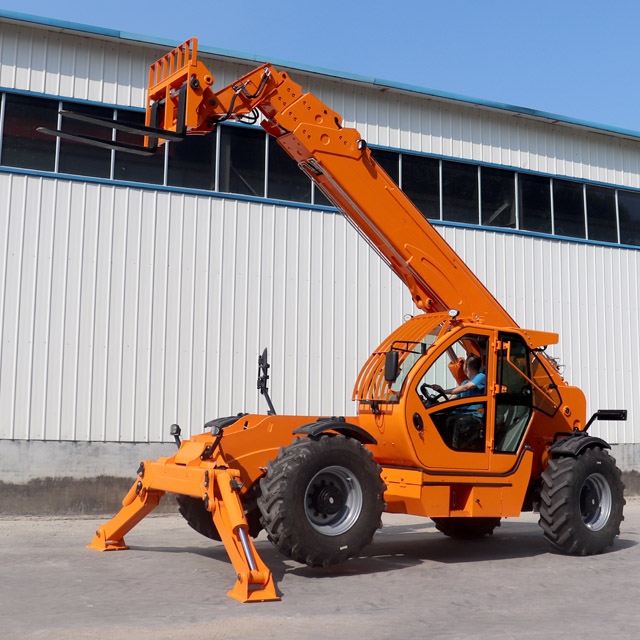
Rough Terrain Forklifts: When Does Your Site Need One?
Cold Storage Forklifts: A Complete Selection Guide
New vs Used Forklifts: A Smart Buying Decision Guide


