
Forklift Mast Guide: 2-Stage vs 3-Stage vs Full Free Lift
03 Sep 2026
The forklift mast determines how high a truck can stack, whether it can enter a container, and how much capacity remains at full lift, which makes it the first technical parameter buyers discuss after load weight. Specifying a mast correctly comes down to four numbers: maximum lift height, free lift, lowered (collapsed) height, and the load capacity curve. This guide explains how two-stage, three-stage, and quad masts differ, what full free lift means, and how to match the mast to your racking.
A two-stage mast, also called a duplex, is the standard choice for general warehouse work with typical lift heights around 3 to 4.5 metres. Two rail sections give a simple, robust structure with excellent visibility through the mast, lower cost, and less maintenance than multi-stage units. It suits standard racking up to two or three pallet levels and operations that rarely enter low doorways with the mast raised.
A three-stage mast, also called a triplex, reaches typical lift heights of 4.5 to 6.5 metres and beyond while keeping the collapsed height low enough for most warehouse doorways. Three interlocking sections let the truck store tall but still travel under a standard lintel, which is why triplex units dominate high-bay and cold storage facilities. The trade-off is slightly reduced visibility and a small capacity penalty; when the racking top beam sits above four and a half metres, the triplex is normally the right starting point.
For very high storage, a four-stage quad mast extends beyond 7 metres. Quads suit very narrow aisle and automated warehouses where racking reaches the roof line, but the fully lowered mast is physically longer than a triplex, so clear heights and door openings must be checked. Confirm the truck still clears every door and beam on its route before choosing a quad.
Full free lift lets the forks rise to their full free-lift height while the mast’s overall height stays unchanged, and it is mandatory for container work. With full free lift, an operator can raise the forks inside a shipping container or under a low canopy without the mast top hitting the roof. It also enables double-deep stacking and keeps loads stable when travelling through doorways. Buyers working with containers, mezzanines, or low-clearance buildings should specify full free lift explicitly rather than assuming it is included.
Match the mast to the racking: measure the top beam height of your highest level, add pallet and load clearance, and select the stage count that comfortably exceeds that total. As a reference, two-stage masts serve top beam heights up to roughly 3 to 4 metres, three-stage masts cover 4.5 to 6.5 metres, and quads take over above 7 metres; all figures are typical ranges, and the exact value comes from the model’s nameplate. Manufacturers offer the same truck with different mast options, so configurations such as the HUAYA 4-ton diesel forklift configurations can be ordered with the stage count that matches your warehouse.
Capacity falls as the mast rises, and the load curve on the nameplate is the only reliable source for what the truck can carry at height. A mast rated for 4 tons at ground level may carry noticeably less at full extension, because the higher the load travels, the smaller the stability margin becomes. Operators must respect the rating at each height, and buyers should check the curve for the chosen stage option, especially for loads placed on the top level. This is the same safety discipline that governs heavy-duty diesel forklift buying decisions across the whole machine specification.
Application decides the mast as much as the building does. High-bay freezer warehouses need triplex or quad units with cold-rated seals, and the selection logic in our guide to forklifts for cold storage racking applies directly to their mast choice. Port and yard operations moving containers require full free lift as a standard specification, while delivery and installation fleets, like the HUAYA forklifts delivered to customers worldwide, carry masts chosen to clear the trucks, ramps, and buildings they pass through daily.
When you specify your next forklift, prepare three facts before contacting suppliers: the height of your highest racking beam, the largest load placed at that height, and any low doorways, containers, or mezzanines the truck must enter. A supplier can then recommend the stage count, the free lift option, and the correct capacity curve in one pass. Tell HUAYA your racking height and load type, and request a mast specification quote for a configuration matched to your warehouse, not a generic default.


Hot Products
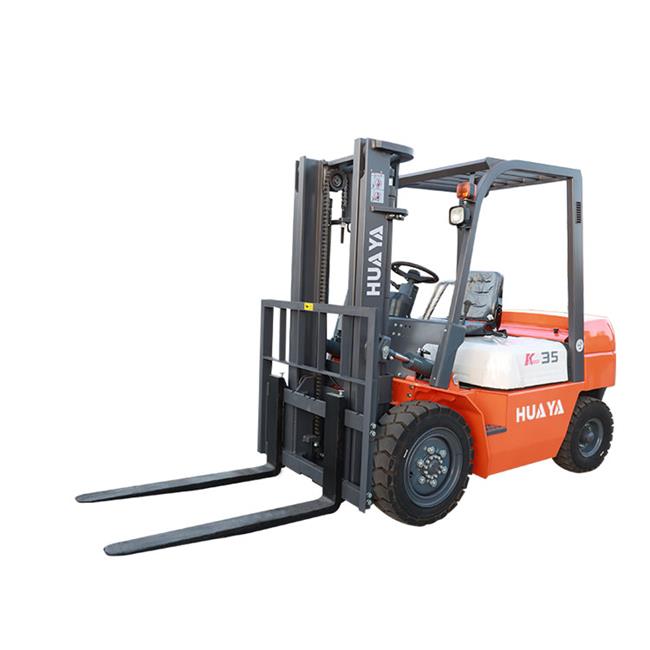
Forklift Lease vs Buy: Which Fits Your Operation?
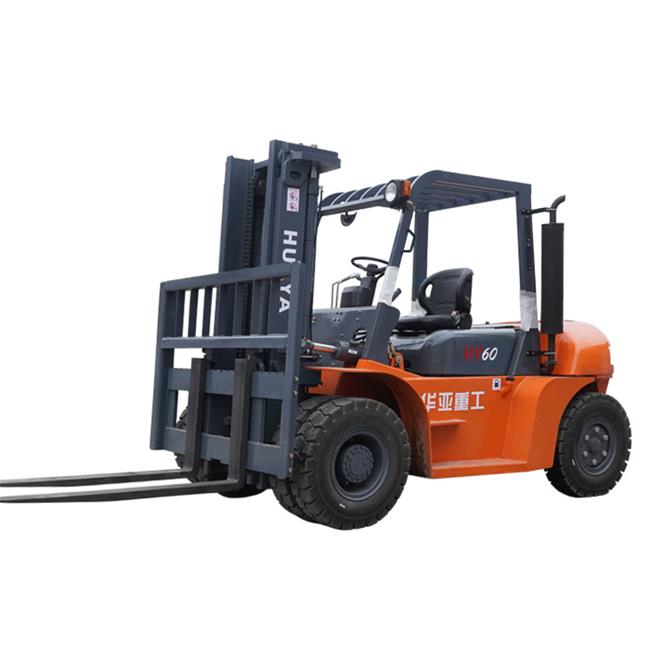
Forklift Spare Parts and After-Sales: A Buyer’s Guide
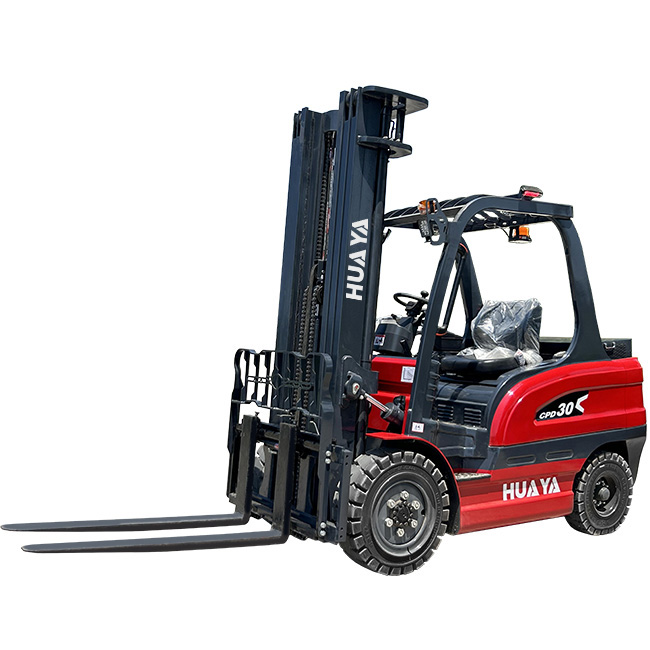
Forklifts for Container Loading: A Complete Guide
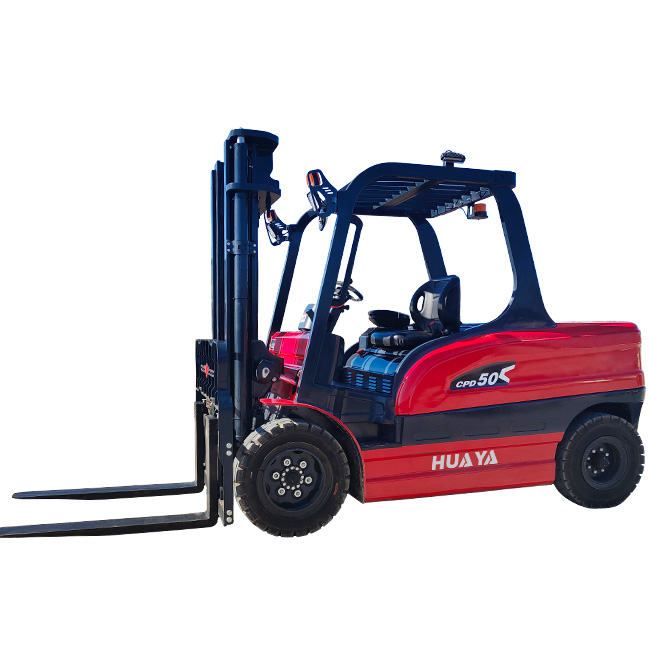
Forklift Charging Infrastructure: A Planning Guide


